
7 foods that may help lower cholesterol and improve heart health
September 25, 2026 · by CEO Rafamall
This article identifies 7 food categories that may help lower cholesterol and improve heart health, including whole grains, beans, leafy greens, and oily fish. These foods are typically high in fibre, low in saturated fat, and contain no added sugar. It also provides Ghanaian-friendly examples for incorporating them into your diet.
A recent report by EatingWell has identified foods that are high in fibre, low in saturated fat and contain no added sugar, with the aim of supporting heart health and helping to manage cholesterol levels.
If you are trying to improve your cholesterol levels and protect your heart, changing what you eat could be helpful.A recent report by EatingWell has identified foods that are high in fibre, low in saturated fat and contain no added sugar, with the aim of supporting heart health and helping to manage cholesterol levels.
It includes foods such as whole grains, lentils, beans, leafy vegetables, nuts, avocado, salmon and berries.
Here are some foods to consider adding more often to your diet.
1. Oats and other whole grains
Oats and other whole grains can be useful additions to a heart-conscious diet because they provide dietary fibre.
EatingWell's plan includes muesli and sprouted whole-wheat bread as sources of whole grains and fibre.
Oats can be prepared as porridge without adding large amounts of sugar. In Ghana, wheat-based or oat-based porridge can also be paired with nuts, seeds or fresh fruit for a more filling breakfast.
The important thing is to choose less processed options and limit added sugar.
2. Beans and lentils
Beans and lentils are another major source of fibre and plant-based protein. The EatingWell plan includes lentils in a vegetable soup, while beans feature in its sweet potato and black bean tacos.
For Ghanaian meals, beans are already a familiar and versatile food.
They can be eaten with vegetables, prepared as bean stew or combined with other high-fibre foods.
Increasing beans and other legumes in the diet can also help reduce reliance on foods that are higher in saturated fat.
3. Leafy green vegetables
Vegetables such as spinach and kale feature several times in the meal plan, including in salads, frittatas and meatballs.
In Ghana, leafy vegetables such as kontomire can provide similar variety. Adding more vegetables to soups, stews and other meals is one practical way of increasing fibre and overall nutrient intake.
Rather than heavily frying vegetables or preparing them with large amounts of fatty ingredients, lighter cooking methods can help keep the meal heart-friendly.
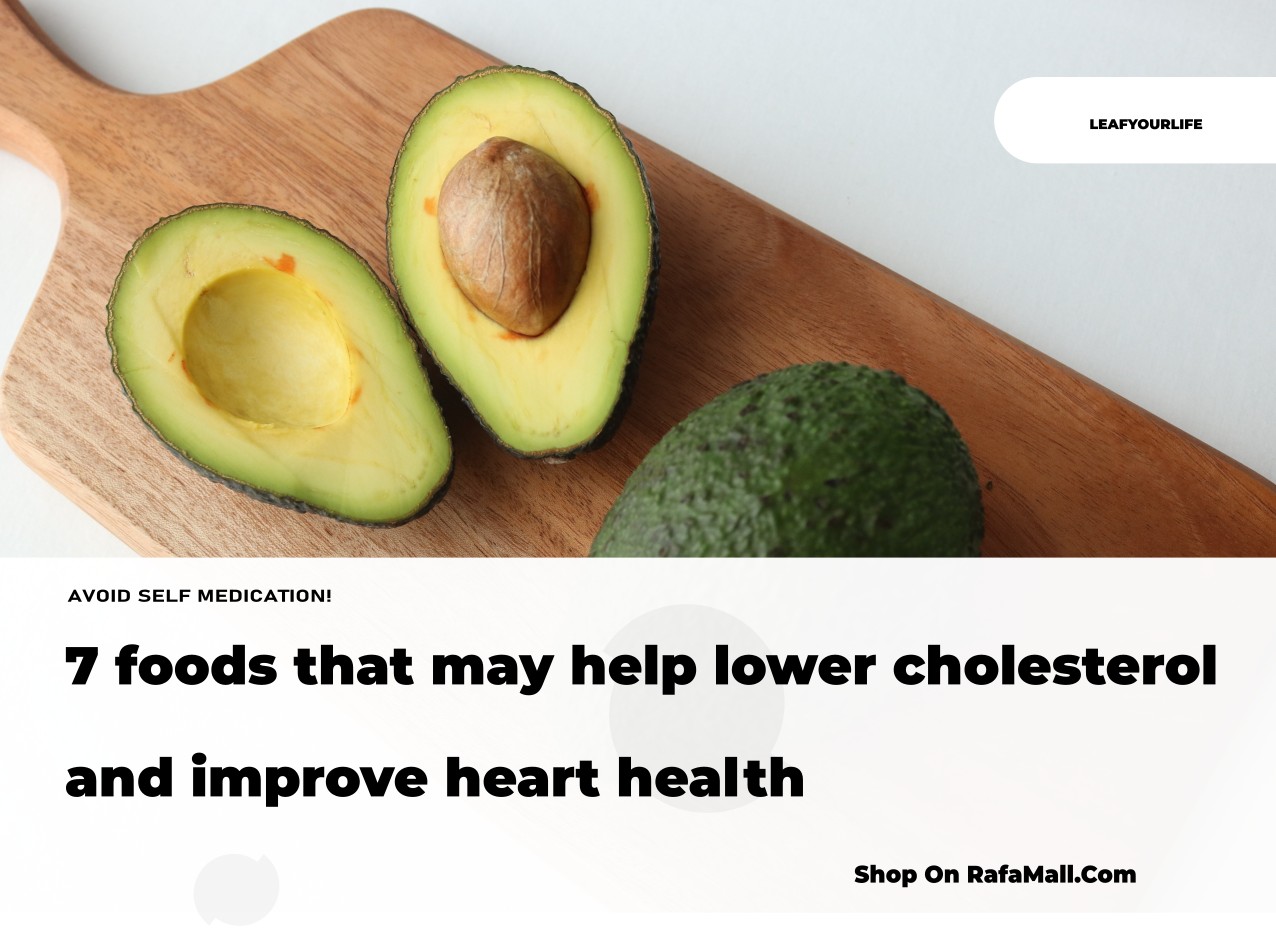
4. Avocado
Avocados contain mostly unsaturated fats and also provide fibre. Replacing some foods high in saturated fat with sources of unsaturated fat can form part of a heart-healthier eating pattern.
Avocado can be added to salads, eaten alongside whole-grain foods or enjoyed as part of a balanced meal.
5. Nuts and natural nut butter
Nuts and nut butters provide unsaturated fats, protein and other nutrients.
For Ghanaian diets, unsweetened groundnut paste can be a practical alternative to almond butter. However, portion sizes still matter because nuts and nut butters are relatively high in calories.
Choosing natural versions without added sugar is also preferable when the goal is to reduce added sugar intake.
6.Oily fish
Oily fish are valued for their omega-3 fatty acids and can form part of a heart-conscious eating pattern.
7. Whole fruits
Fruits such as oranges, guava, pawpaw, pineapple and bananas can provide fibre and other nutrients.
Eating whole fruits are generally preferable to relying heavily on sugary drinks or fruit-flavoured products because whole fruits retain their fibre.
Improving heart health is not simply about adding individual foods to your diet. It also involves paying attention to foods that may work against those goals.
The EatingWell report emphasises limiting added sugar and saturated fat while increasing fibre.
This means cutting back on foods and drinks with large amounts of added sugar, as well as limiting excessive intake of fatty meats, heavily processed foods and other foods high in saturated fat.
Frequently asked questions
What types of foods are recommended to help lower cholesterol?
The article recommends whole grains, beans, lentils, leafy green vegetables, avocado, nuts, oily fish, and whole fruits.
How do these foods contribute to heart health?
These foods are typically high in fibre, low in saturated fat, and contain no added sugar, which can support heart health and help manage cholesterol levels.
Are there Ghanaian-specific food examples mentioned?
Yes, the article highlights Ghanaian examples such as kontomire, unsweetened groundnut paste, and local fruits like guava, pawpaw, and pineapple.
What should be limited in a heart-conscious diet?
It is advised to limit foods and drinks with large amounts of added sugar, excessive intake of fatty meats, heavily processed foods, and other foods high in saturated fat.
More from the journal
Kombucha: Health Tonic or Overhyped Fad?The form of fermented tea has been drunk for centuries in parts of Asia …Moringa: Ghana's Green Superfood and How to Use It
Why moringa leaf powder is one of the most nutrient-dense natural foods — and …