
How exercise keeps our brains healthy as we age
July 17, 2026 · by CEO Rafamall
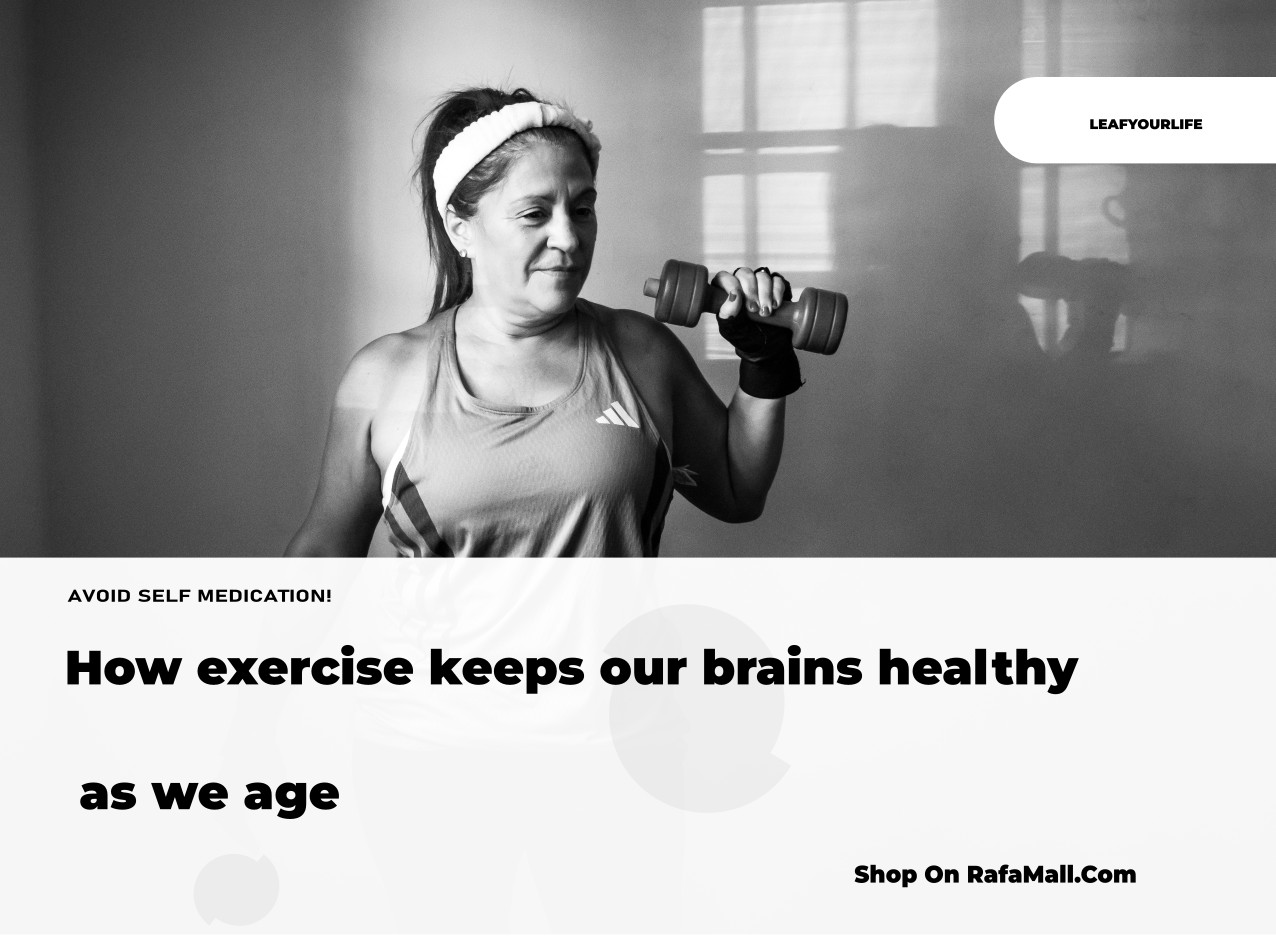
There's growing evidence linking brain health with exercise. A new study from Victoria University (VU) strengthens the case for exercise as a critical part of protecting the brain from age-related decline like dementia and Alzheimer's disease.VU researcher Dr. James Broatch led t
While the role of exercise in healthy aging is well documented, there remains a gap in understanding how exercise protects the brain. There is no cure for the more than 10 million people worldwide who are diagnosed with dementia annually.
There's growing evidence linking brain health with exercise. A new study from Victoria University (VU) strengthens the case for exercise as a critical part of protecting the brain from age-related decline like dementia and Alzheimer's disease.
VU researcher Dr. James Broatch led the analysis, which focused on the role of exercise in the glymphatic system—a brain "waste-clearance" pathway that is most active when we sleep. The glymphatic system plays a critical role in brain health and regulation and becomes increasingly important as we age.
While the role of exercise in healthy aging is well documented, there remains a gap in understanding how exercise protects the brain. There is no cure for the more than 10 million people worldwide who are diagnosed with dementia annually.
The peer-reviewed paper "Exercise as a regulator of glymphatic function," published in the journal Trends in Neurosciences, reviewed existing animal and human glymphatic system studies. While further research is needed (some of which Broatch is currently undertaking), the paper showed that exercise improves a number of physiological processes that regulate the glymphatic process, including:
- Reducing blood pressure and vascular stiffness
- Improving the activation of neurons in the brain
- Reducing inflammation in the brain
- Lowering resting norepinephrine
- Improving sleep—increasing deep sleep quality and enhancing slow-wave activity linked to clearance
Broatch said this correlation between exercise and brain protection is an important outcome in the search for science-backed physical activities to prevent brain deterioration as we age.
"If we don't have opportunities for the brain to essentially clean out the junk from the day, we know that buildup is damaging, especially as we age. Sleep is more crucial than ever to play this role, but the irony is, good-quality sleep can often be harder to get as we get older. This study asked, what if exercise could support that process?" Broatch said.
Broatch agrees that there is still a long way to go in this field of research, including looking at the exact amount and type of exercise that works best and how that changes when a person is already in cognitive decline or diagnosed with a brain disease.
"If nothing else, this is yet another reminder that regular movement—especially the type that lifts your heart rate—is so important for every part of your health. The earlier we can develop these good habits, the better as we age," Broatch said.
medicalxpress.com
Frequently asked questions
How does exercise help brain health as we age?
Exercise supports brain health by improving the glymphatic system, which clears waste, and by reducing inflammation, lowering blood pressure, and enhancing sleep quality.
What is the glymphatic system?
The glymphatic system is the brain's natural waste-clearance pathway, most active during sleep, and plays a critical role in maintaining brain health.
What specific benefits does exercise offer for the brain?
Exercise can reduce blood pressure, improve neuron activation, decrease brain inflammation, lower resting norepinephrine, and enhance deep sleep quality.
Is there a specific type or amount of exercise recommended?
While more research is needed on exact amounts, the study suggests that regular movement, especially activities that elevate your heart rate, is beneficial for overall health, including brain health.
Can exercise prevent age-related cognitive decline?
Exercise is identified as a critical part of protecting the brain from age-related decline by supporting physiological processes that regulate brain health, such as improving the glymphatic system and reducing inflammation.
More from the journal
WHO warns of rising NCD burden despite longer livesIt recommended eating a balanced diet, engaging in regular physical activity, avoiding tobacco use, …Nyarkotey College Signs Landmark Quality Assurance MoU with India's QAI
The agreement comes as Nyarkotey College expands its international collaborations with institutions in India …Herbal Medicine and Your Kidneys: Separating Fact from Fear
Do not take a herb simply because someone recommended it. Do not assume it …