
Sickle Cell Institute appeals for infrastructure, equipment to expand specialised care
October 8, 2026 · by CEO Rafamall
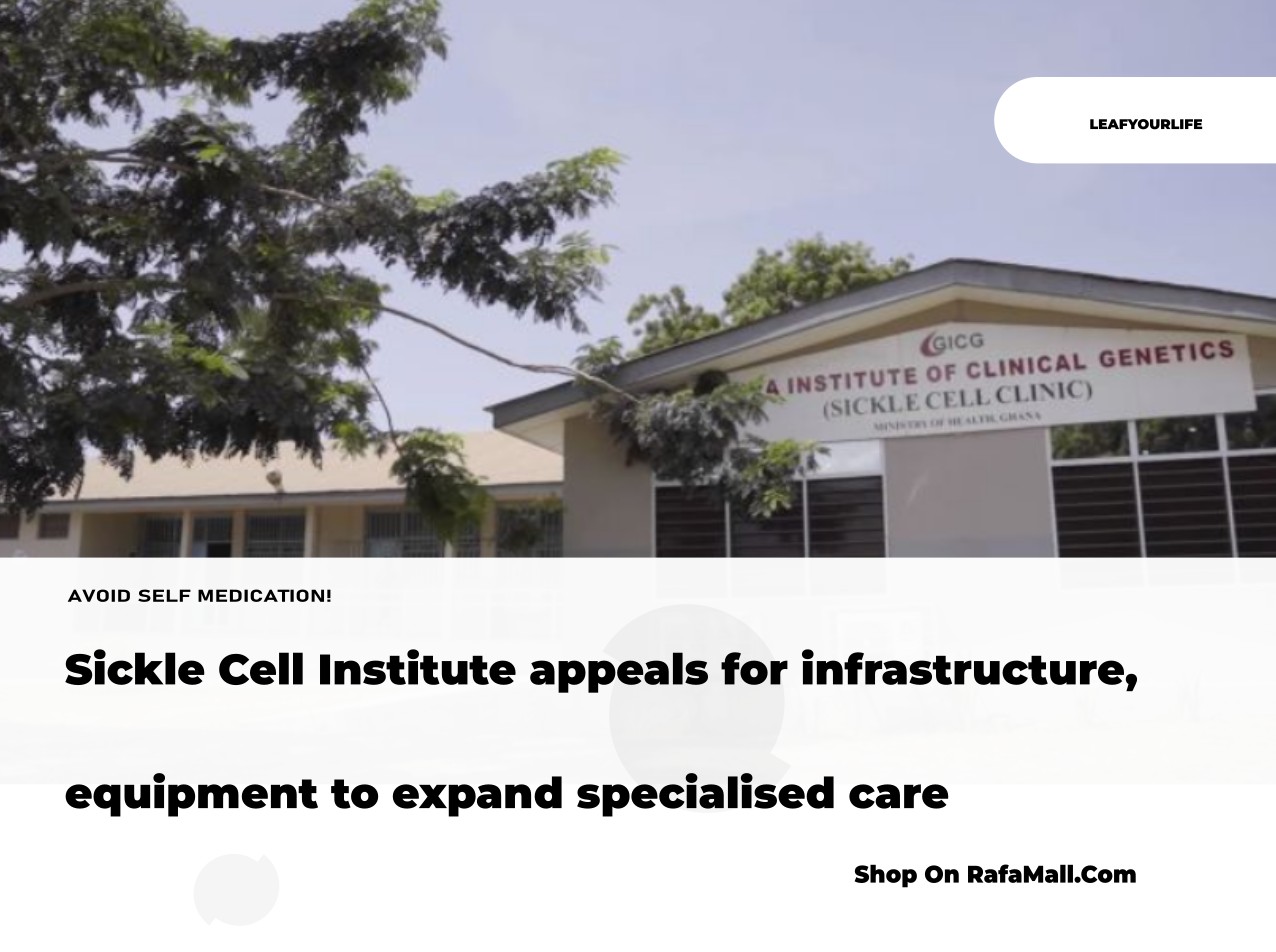
The Ghana Institute of Clinical Genetics at Korle Bu Teaching Hospital is appealing for investment to expand its specialised sickle cell disease services. Established in 1974, the institute has provided care to over 27,000 people and seeks to offer 24-hour care, better diagnostics, and psychosocial support. They require infrastructure, equipment, and human resources to achieve this.
The Institute, which has operated for 52 years, currently runs its Sickle Cell Clinic as an outpatient facility from 0800 hours to 1500 hours, limiting its ability to provide round-the-clock care and admit patients experiencing severe complications.
The Ghana Institute of Clinical Genetics at the Korle Bu Teaching Hospital on Monday appealed for urgent investment in infrastructure, diagnostic equipment and human resources to enable it to expand specialised services for people living with Sickle Cell Disease (SCD).
The Institute, which has operated for 52 years, currently runs its Sickle Cell Clinic as an outpatient facility from 0800 hours to 1500 hours, limiting its ability to provide round-the-clock care and admit patients experiencing severe complications.
Dr Amma Benneh-Akwasi Kuma, the Director, West African Genetic Medicine Centre, told the Ghana News Agency on Monday that the Institute needed additional space to establish more specialist clinics and reduce the pressure on other health facilities where patients sought specialised care.
“We wish we could run a 24-hour service to admit people and have more rooms to provide more specialist clinics, so that people living with sickle cell do not have to go and queue at other places to receive specialist care,” she said.
Dr Benneh-Akwasi Kuma said the Institute had, since its establishment in 1974, provided care to more than 27,000 people living with sickle cell disease, making it an important national centre for the management of the condition.
She said despite the challenges, advances in sickle cell management had made it possible to effectively manage complications and improve the quality of life of patients.
“For those who come in with crises, we can stop the crises and alleviate the pain,” she said.
She said the Institute urgently needed equipment for high-performance chromatography to strengthen diagnosis and confirmation of sickle cell disease and other haemoglobin disorders, while also helping clinicians to monitor patients receiving disease-modifying medicines.
Dr Benneh-Akwasi Kuma said the Institute also required a psychologist to provide dedicated psychosocial support to patients and their families, stating that sickle cell disease was a lifelong condition and, therefore, required care that went beyond treating physical symptoms.
Psychological support was important in helping patients and families cope with the emotional, social and other challenges associated with living with the condition.
“The Institute is also seeking a vehicle to support community outreach, home visits and awareness campaigns,” she said.
The vehicle, she said, would enable health professionals to reach more communities, schools and health facilities with information on sickle cell disease, including the importance of early diagnosis, appropriate treatment and regular follow-up.
Established in 1974, the Ghana Institute of Clinical Genetics has played a significant role in Ghana’s response to sickle cell disease over the past five decades.
Through its Sickle Cell Clinic, the Institute has provided specialised clinical care to thousands of patients while contributing to efforts to improve understanding, diagnosis and management of the inherited blood disorder.
It has also supported families affected by the disease at a time when misconceptions and stigma surrounding the condition remain challenging.
Dr Benneh-Akwasi Kuma said strengthening the Institute would enable it to build on its decades of experience and reach more people who required specialised care.
She said expanding its services would also help bring care closer to patients and reduce the need for them to move between facilities to access different components of specialist care.
The Institute, therefore, called on government, development partners, corporate organisations and other stakeholders to support efforts to upgrade its infrastructure, acquire essential diagnostic equipment, and strengthen its human resource capacity.
GNA
Frequently asked questions
What is the Ghana Institute of Clinical Genetics?
It is a national centre at the Korle Bu Teaching Hospital in Ghana, established in 1974, dedicated to the management and understanding of sickle cell disease and other haemoglobin disorders.
What services does the Institute currently provide?
The Institute currently operates a Sickle Cell Clinic as an outpatient facility from 0800 to 1500 hours, providing specialised clinical care to thousands of patients.
Why is the Institute appealing for support?
The Institute is appealing for urgent investment in infrastructure, diagnostic equipment, and human resources to expand its services, including offering 24-hour care, more specialist clinics, and community outreach.
What specific resources are needed?
They require additional space, equipment for high-performance chromatography for diagnosis, a psychologist for psychosocial support, and a vehicle for community outreach and awareness campaigns.
How many people has the Institute served?
Since its establishment in 1974, the Institute has provided care to more than 27,000 people living with sickle cell disease.
More from the journal
WHO warns of rising NCD burden despite longer livesIt recommended eating a balanced diet, engaging in regular physical activity, avoiding tobacco use, …Nyarkotey College Signs Landmark Quality Assurance MoU with India's QAI
The agreement comes as Nyarkotey College expands its international collaborations with institutions in India …Herbal Medicine and Your Kidneys: Separating Fact from Fear
Do not take a herb simply because someone recommended it. Do not assume it …