
MoH Highlights Traditional Medicine's Role in Universal Health Coverage
November 20, 2026 · by CEO Rafamall
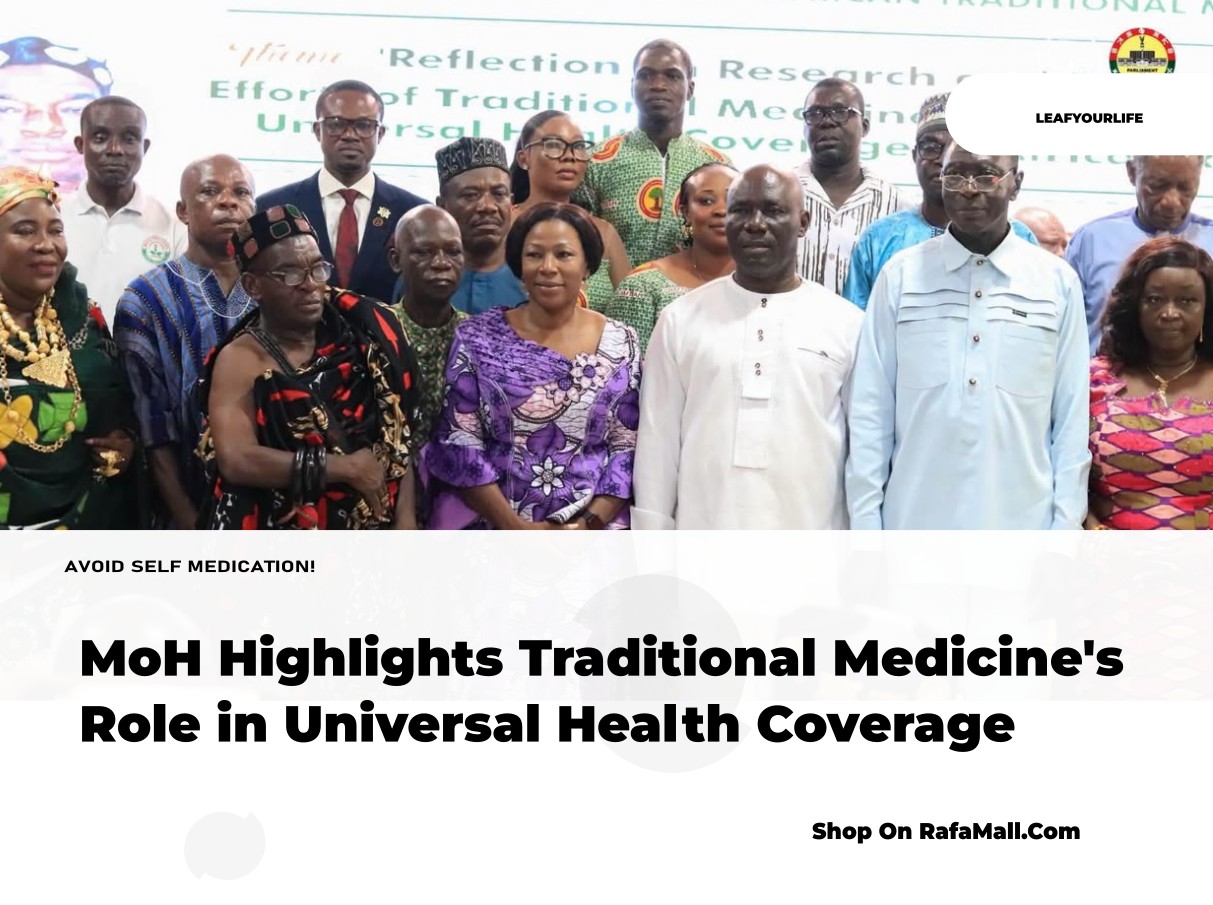
Ghana's Ministry of Health highlights traditional medicine's crucial role in achieving Universal Health Coverage. They advocate for increased investment in research, innovation, and regulation to enhance the quality and safety of traditional healthcare services. Ghana is actively integrating traditional medicine by training medical herbalists and establishing herbal units in public hospitals.
The Ministry of Health has underscored the importance of traditional medicine in achieving Universal Health Coverage (UHC), calling for increased investment in research, innovation and regulation to improve the quality and safety of traditional healthcare services
By Magdalene Andoh
The Ministry of Health has underscored the importance of traditional medicine in achieving Universal Health Coverage (UHC), calling for increased investment in research, innovation and regulation to improve the quality and safety of traditional healthcare services.
The call was made during the commemoration of the 24th African Traditional Medicine Day and the 27th Ghana Traditional Medicine Week 2026, which brought together stakeholders in the health sector to assess progress and explore ways of strengthening traditional medicine.
Delivering the keynote address, Deputy Minister for Health, Prof. Dr Grace Ayensu-Danquah, noted that traditional medicine remains a major source of healthcare for millions of people, particularly those in rural and underserved communities.
She stressed the need to combine indigenous medicinal knowledge with scientific research to improve the safety, quality and effectiveness of herbal treatments.
Prof. Ayensu-Danquah highlighted Ghana’s progress in integrating traditional medicine into mainstream healthcare, citing the training of about 600 medical herbalists at the Kwame Nkrumah University of Science and Technology (KNUST) and the establishment of herbal medicine units in 55 public hospitals.
She further disclosed that the Ministry is prioritising the documentation and protection of indigenous medicinal knowledge, expansion of herbal medicine services to CHPS compounds and sub-district facilities, as well as support for the local production of standardised herbal medicines.
The Deputy Minister called on researchers, traditional medicine practitioners, regulatory bodies and development partners to strengthen collaboration and translate indigenous knowledge into safe and effective healthcare solutions.
The celebration, held under the theme, “Reflection on Research and Development Efforts of Traditional Medicine Towards Achieving Universal Health Coverage in the African Region,” highlighted the need for a research-driven approach to preserve Ghana’s medicinal heritage and make healthcare more accessible to all.
Frequently asked questions
What is the Ministry of Health's stance on traditional medicine in Ghana?
The Ministry of Health underscores the importance of traditional medicine in achieving Universal Health Coverage (UHC) and calls for increased investment in its research, innovation, and regulation.
How is Ghana integrating traditional medicine into mainstream healthcare?
Ghana is integrating traditional medicine by training medical herbalists at KNUST, establishing herbal medicine units in 55 public hospitals, and expanding services to CHPS compounds.
Why is traditional medicine important for Ghana's healthcare system?
Traditional medicine remains a major source of healthcare for millions in Ghana, particularly in rural and underserved communities, contributing significantly to overall health coverage.
What improvements are being sought for traditional healthcare services?
The Ministry of Health seeks to improve the safety, quality, and effectiveness of traditional healthcare services through scientific research and better regulation.
How many medical herbalists have been trained in Ghana?
About 600 medical herbalists have been trained at the Kwame Nkrumah University of Science and Technology (KNUST) in Ghana.
More from the journal
Scientific research, regulation must guide traditional medicine practice - Dr Ayensu-Danquah“Scientific research should not be seen as a rejection of our indigenous knowledge but …Health Ministry, WHO, and GHAFTRAM Converge in Accra for 27th Traditional Medicine Week Celebration
The Ministry of Health, in collaboration with the World Health Organization (WHO) and the …WHO sounds the alarm on antimicrobial resistance threat
The spread of antimicrobial resistance (AMR) is threatening modern medicine despite progress in combating …