
Researchers in Korea find herbal extract that blocks obesity-linked diabetes
July 15, 2026 · by CEO Rafamall
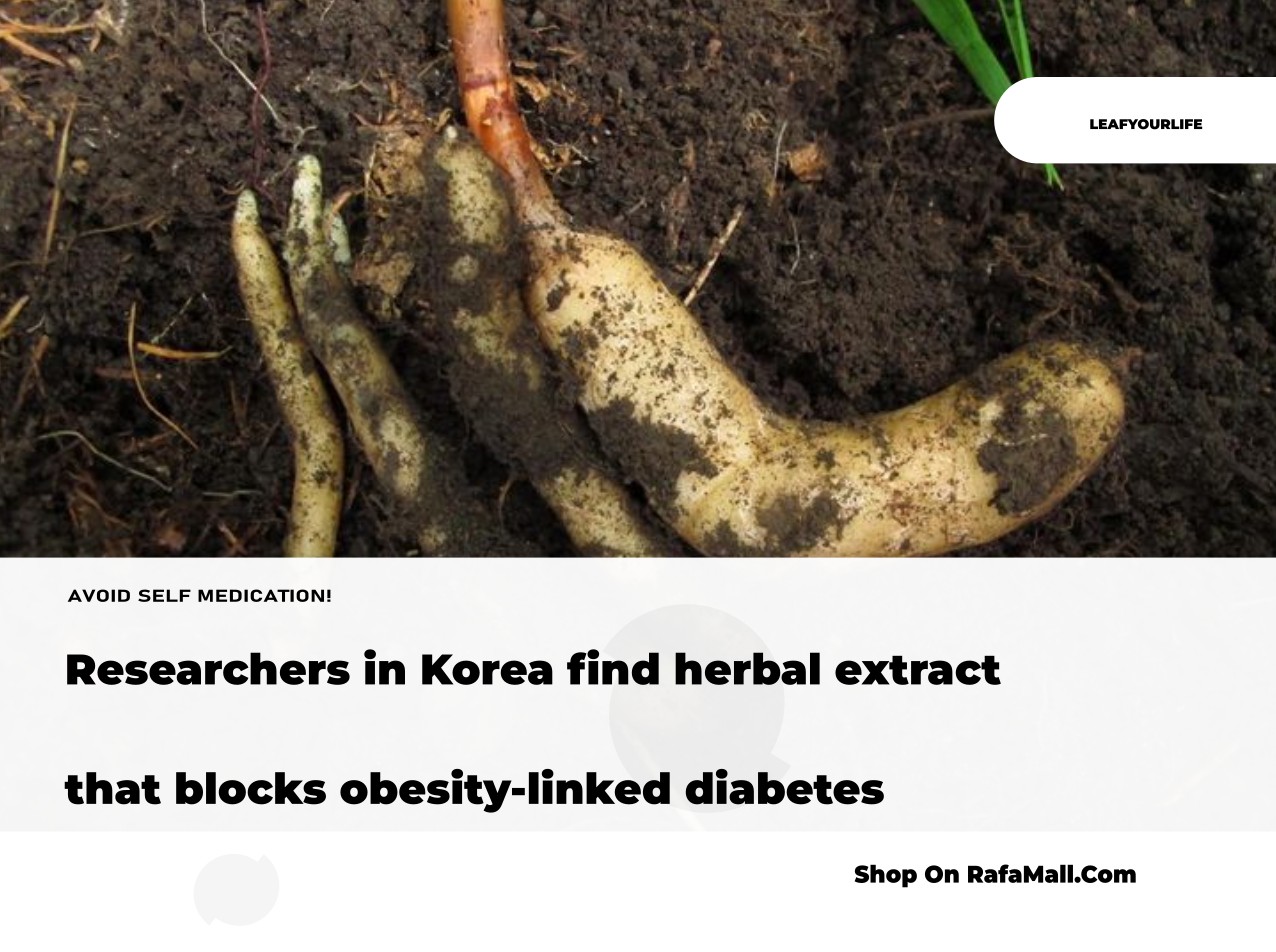
Korean researchers have discovered that a natural compound from Gastrodia elata, known as cheonma, shows potential in reversing a key cause of type 2 diabetes linked to weight gain. The compound, saligenin, helped balance hormone levels and improve insulin sensitivity in lab-based cell studies. This research aims to develop functional health foods or medicine.
Korean researchers have discovered that a natural compound found in a traditional medicinal herb can reverse a key cause of type 2 diabetes
Korean researchers have discovered that a natural compound found in a traditional medicinal herb can reverse a key cause of type 2 diabetes brought on by weight gain, opening up a promising new avenue for preventative medicine.
In a joint study published in the science journal Tissue & Cell, researchers from the National Institute of Forest Science and Chung-Ang University showed that a natural ingredient derived from the plant Gastrodia elata — commonly known in Korean as "cheonma" — can help balance hormone levels in obese individuals at risk of diabetes.
Gaining excess weight often leads to insulin resistance, a dangerous health condition where the body's cells begin to ignore insulin. When cells refuse to cooperate with this hormone, sugar builds up in the bloodstream instead of being converted into energy, causing blood sugar levels to spike, eventually leading to type 2 diabetes.
By studying cells overwhelmed by excess fat, the research team mapped out exactly how damage occurs. They found that heavy fat deposits directly damage the gut, effectively shutting down a critical hormone called GLP-1. This hormone acts as the body's natural thermostat for blood sugar, triggering insulin production and lowering glucose levels after eating.
When researchers treated these damaged cells with the herbal compound, called saligenin, it jump-started the cells' internal self-cleaning process, allowing them to clear out built-up cellular waste and successfully start producing the blood-sugar-controlling hormone again.
In a world-first discovery, the team took the fluids secreted by these healed gut cells and applied them directly to muscle cells. The muscle cells immediately began processing insulin normally again and showed a major boost in their ability to absorb sugar from the blood.
While the breakthrough is a major step forward in proving health benefits, the researchers noted that the experiment was done entirely on cells in a laboratory. More research is needed to see if the treatment works the same way inside the human body.
"This study is significant because it shows exactly how natural forest resources can help fight metabolic diseases like diabetes that threaten public health," said Lee Kyung-tae, the lead researcher at the National Institute of Forest Science. "We plan to move to animal testing next, with the goal of turning this into functional health foods or medicine that companies can quickly bring to the public."
This article was published with the assistance of generative AI and edited by The Korea Times.
Frequently asked questions
What is Gastrodia elata (cheonma)?
Gastrodia elata, known as cheonma in Korean, is a traditional medicinal herb that was the focus of recent research into type 2 diabetes.
What did the Korean research discover about cheonma?
Researchers found a compound from cheonma, saligenin, helped balance hormone levels and improve insulin sensitivity in lab cells, potentially reversing a cause of type 2 diabetes linked to weight gain.
Is this a cure for type 2 diabetes?
No, the research was conducted on cells in a laboratory. More studies, including animal testing, are needed to determine if the findings apply to humans.
What is saligenin?
Saligenin is a natural compound derived from the Gastrodia elata plant that was identified in the study as having a role in cellular self-cleaning and hormone regulation.
Where was this research published?
The joint study by the National Institute of Forest Science and Chung-Ang University was published in the science journal Tissue & Cell.
More from the journal
"Not Enough Evidence for Herbal Medicine in Breast Cancer Treatment – Dr Sunu"Some studies reveal that about 50 to 80 per cent of those with breast …Flavonoid found in citrus slows lung cancer cell growth in lab tests
"Our results suggest that a quercetin-rich diet could support treatment for lung cancer," says …Why Cranberry Juice Might Be Good for Your Teeth
Medicinally speaking, cranberry juice is often used to ward off urinary tract infections. That's …