
Posers over efficacy of naturopathy in uterine fibroid treatment
August 13, 2026 · by CEO Rafamall
This article discusses the efficacy of naturopathy and traditional medicine in managing uterine fibroids, particularly in Nigeria. While widely used, there is insufficient high-quality clinical evidence to establish that herbal medicines can reliably eliminate or shrink fibroids. Practitioners suggest some plants may influence hormonal pathways and fibroid development, but emphasize the need for scientific scrutiny and safety considerations.
Emeje said fibroids could cause heavy bleeding, pain and reproductive difficulties, adding that treatment depended on factors such as the severity of symptoms, size and location of the fibroids, age and reproductive plans.
•‘No single traditional medicine remedy has gone through clinical trial’
•Over 190 million Nigerians use traditional medicine, says agency
For generations, traditional medicine practitioners in Nigeria have turned to plants and herbal preparations to manage a wide range of health conditions, including reproductive disorders such as uterine fibroids.
Now, growing interest in the medicinal properties of some plants is reviving an old question: whether compounds derived from plants could provide a safer or more affordable option for managing fibroids?
Practitioners argue that some medicinal plants contain bioactive compounds capable of influencing biological processes associated with fibroid development, including hormonal signalling, inflammation and abnormal cell growth. Preliminary laboratory and experimental studies have identified biological activities in some plant extracts that warrant further investigation.
Although herbal preparations are widely marketed in Nigeria as remedies for fibroids, there is insufficient high-quality clinical evidence to establish that any herbal medicine can reliably eliminate, permanently cure or shrink uterine fibroids in women. Claims that particular herbs can “flush out”, “melt” or permanently remove fibroids therefore require careful scientific scrutiny.
Fibroids are non-cancerous growths that develop in or around the uterus and can vary considerably in size and location. While some women have no symptoms, others experience heavy menstrual bleeding, pelvic pain, abdominal pressure, frequent urination and, in some cases, reproductive difficulties.
Despite several available treatment options, the high cost of medical care, fear of surgery and cultural beliefs have encouraged some women to turn to unverified herbal mixtures, raising concerns not only about their effectiveness but also their safety.
Recent studies have reported a high burden of uterine fibroids among Nigerian women, particularly among women of reproductive age. Research from Nigerian teaching hospitals has also shown that fibroids account for a substantial proportion of gynaecological consultations, admissions and surgical procedures.
Women aged between 30 and 39 are commonly diagnosed with the condition, although fibroids can occur at other ages. Researchers believe their development is influenced by a combination of genetic, hormonal and environmental factors.
Against this background, traditional medicine practitioners have identified medicinal plants as a potential area for managing the condition. They argue that some plants may influence hormonal pathways associated with fibroid development and could potentially help control symptoms or fibroid growth.
According to practitioners, certain herbs and food-based remedies may help modulate hormonal activity, including pathways involving oestrogen. However, they acknowledge that such approaches should not be regarded as a universal solution or substitute for medical diagnosis.
They also stressed that any potential benefits of herbal medicine must be considered alongside scientific evidence, standardisation, appropriate dosage, toxicity assessment and individual patient evaluation. Some herbal preparations, they warned, may interact with conventional medicines, while certain products may pose particular risks to women who are pregnant or attempting to conceive.
The Director-General of the Nigerian Natural Medicine Development Agency (NNMDA), Prof. Martins Emeje, told The Guardian that traditional medicine was already an important part of healthcare choices in Nigeria, claiming that more than 190 million Nigerians use traditional medicine as a source of primary healthcare.
Emeje said fibroids could cause heavy bleeding, pain and reproductive difficulties, adding that treatment depended on factors such as the severity of symptoms, size and location of the fibroids, age and reproductive plans.
He said Nigeria had herbal medicines that could be used in the treatment of fibroids, noting that many communities had relied on accumulated knowledge of medicinal plants and preparations for generations.
According to him, the existence of traditional treatments predates modern biomedicine. “Studies have shown that 40 to 90 per cent of people in developing countries use traditional medicine for their primary healthcare. The use of herbal preparations for fibroids is not new,” he said.
Emeje added that between 40 and 60 per cent of pharmaceuticals had their origins in plants, arguing that Nigeria had enormous plant biodiversity and generations of indigenous medical knowledge that remained under-researched.
He lamented that despite the country’s biological resources and traditional knowledge, Nigeria had historically invested less in transforming indigenous knowledge into scientifically validated medicines.
“A country rich in biological resources and traditional knowledge remains heavily dependent on medicines developed elsewhere. The question is what could happen if Nigeria invested seriously in researching its own natural resources,” he said.
According to him, the possibilities extend beyond fibroids to cancer, infectious diseases and chronic illnesses.
Emeje emphasised that traditional medicine and biomedicine had different strengths. While modern medicine was particularly effective in acute emergencies, he said traditional medicine could play roles in preventive and community-based healthcare.
He, however, cautioned Nigerians against purchasing medicines, whether orthodox or traditional, from hawkers or unidentified vendors.
“A medicine, whether pharmaceutical or traditional, should not be treated like an ordinary commodity casually sold anywhere,” he said, stressing that preparations supplied by identifiable practitioners were different from unknown mixtures whose ingredients, concentration, dosage, storage conditions and side effects could not be determined.
The NNMDA chief also disclosed that the agency had commenced digital documentation of traditional medical knowledge and was developing mechanisms for formalising and certifying practitioners.
However, on whether any herbal remedy had been clinically tested and approved specifically for the treatment of fibroids in Nigeria, Emeje acknowledged a major gap. “There is no single traditional medicine remedy that has gone through clinical trial in Nigeria and been approved,” he said.
He attributed the situation partly to inadequate research funding, arguing that Nigeria needed to invest substantially in clinical research if it hoped to transform traditional remedies into globally accepted medicines.
He cited developments in other countries as evidence of the growing global interest in traditional and plant-based medicine. The comments highlight the central dilemma surrounding herbal treatment for fibroids in Nigeria: traditional knowledge may contain valuable therapeutic leads, but without properly designed clinical trials, it remains difficult to determine which preparations are effective, what doses are appropriate, who should use them and what risks they may carry.
Also, the pioneer Director of the Traditional, Complementary and Alternative Medicine (TCAM) Department at the Federal Ministry of Health, Zainab Shariff, advised women diagnosed with fibroids to seek proper medical evaluation before taking herbal preparations.
Shariff stressed that the size, location and characteristics of a fibroid should determine the appropriate course of treatment. She warned women against taking herbal remedies indiscriminately without first obtaining a clinical diagnosis.
According to her, some women can become pregnant while having fibroids, depending on the size and location of the growth. However, larger fibroids or those located in strategic areas of the uterus may interfere with conception or pregnancy and could contribute to complications.
Shariff also cautioned against relying on unapproved herbal preparations marketed as cures for fibroids, urging women experiencing symptoms to seek professional medical advice.
While advocating proper diagnosis, she said herbal medicine could play a supportive role in healthcare where its use was appropriate and did not conflict with conventional treatment.
She noted that some herbal products had been registered with the National Agency for Food and Drug Administration and Control (NAFDAC) for specific purposes but stressed that registration should not be confused with proof that a product could cure fibroids.
“Medical evaluation is important because treatment options depend on factors including symptoms, fibroid size and location, age, reproductive plans and overall health,” she said.
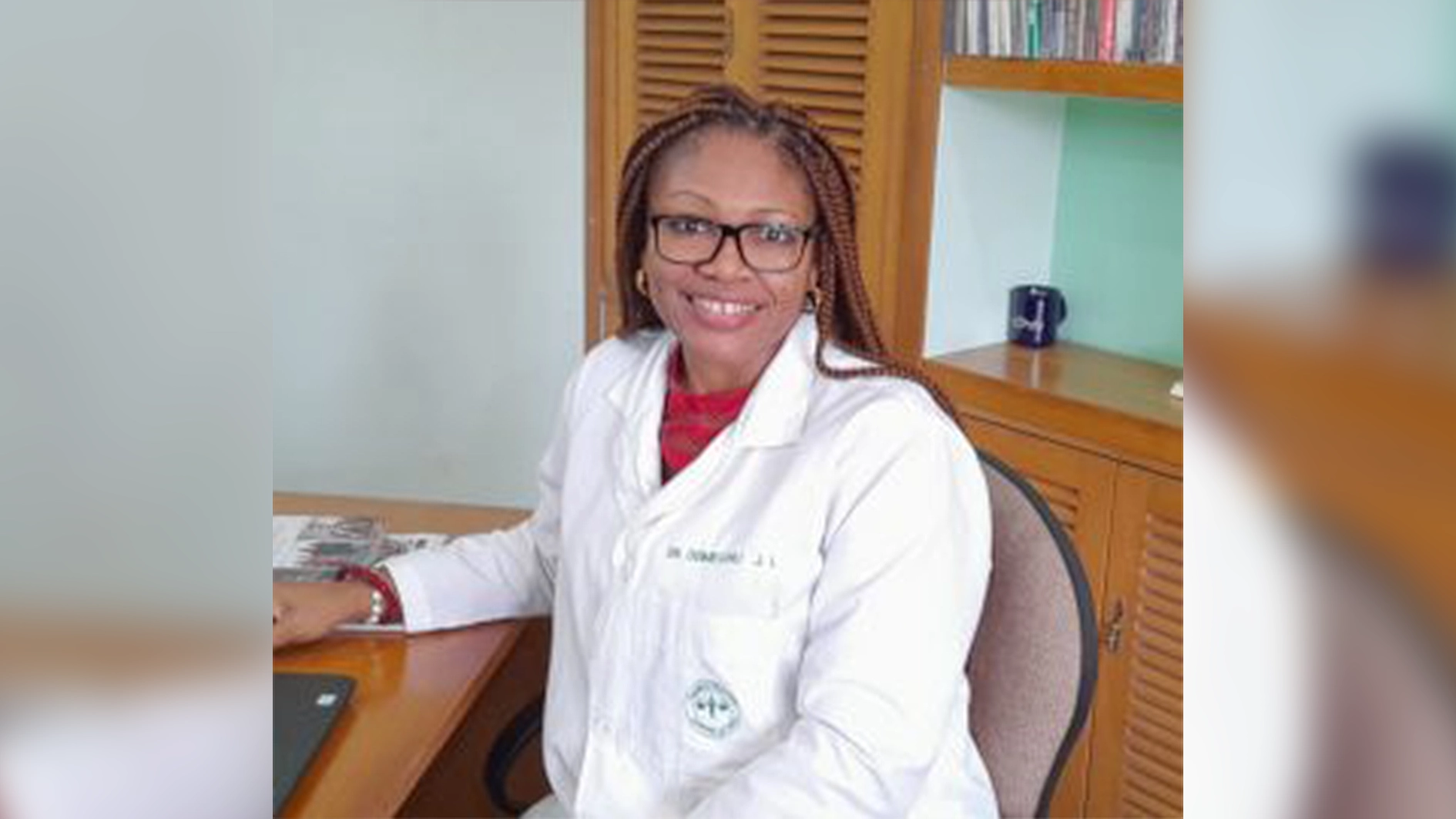
Odimegwu told The Guardian that some herbal medicines could potentially influence hormonal pathways, particularly those involving oestrogen.
She explained that oestrogen, progesterone and testosterone were present in humans at varying levels and that hormonal balance could be important in understanding conditions influenced by hormones.
Her research has also examined food as medicine, including cruciferous vegetables such as cabbage, kale, broccoli and cauliflower.
Odimegwu said her research on broccoli and cauliflower had focused on diindolylmethane (DIM), a compound produced from substances found in cruciferous vegetables.
She said animal studies involving female rats indicated that the compound influenced hormone levels, including estradiol and progesterone.
However, findings from laboratory or animal studies should not automatically be interpreted as proof that the same intervention will treat fibroids in humans.
Odimegwu also rejected the perception that all herbal medicines were inherently unstandardised, saying researchers in pharmacognosy were working on the standardisation of herbal medicines and the development of appropriate dosage forms.
She disclosed that the department had a model herbal clinic where research into herbal medicine was being conducted, involving academics with doctoral qualifications.
Another practitioner and Chief Executive Officer of CAMS Diamonds Nigerian Limited, Chukwuma Muanya, said medicinal plants and their chemical constituents could have potential in managing fibroids, but cautioned that the same preparation could have different effects depending on an individual’s health status and medicines being taken.
He cited plants traditionally used for generations, including Xylopia aethiopica, known as uda in Igbo communities, which has traditionally been used as a spice and for various medicinal purposes.
Muanya also cited research interest in ginger and turmeric, but stressed that herbal medicine should not be used without consideration of dosage, toxicity and possible interactions with conventional medicines.
Some herbal preparations, he warned, could alter the effectiveness of conventional medicines, while combinations of different substances could produce harmful effects.
He further cautioned that some herbal products could have effects that are unsafe during pregnancy or could potentially induce abortion, making caution particularly important among women who are pregnant or attempting to conceive.
Muanya clarified that NAFDAC registration or listing of a herbal product should not be interpreted as certification that the product is a cure for fibroids.
According to him, regulatory listing may relate to the product’s stated ingredients or intended use and does not necessarily mean that clinical trials have established its effectiveness against fibroids.
He called for greater attention to plant-based foods and spices, including garlic, ginger, onions, tomatoes, bitter leaf, curry, lime, lemon and lemongrass, as part of a healthy diet.
Many of these plants, he noted, contain antioxidants and compounds with anti-inflammatory properties, although such nutritional benefits should not be confused with evidence that they can cure fibroids.
https://guardian.ng/features/health/posers-over-efficacy-of-naturopathy-in-uterine-fibroid-treatment/
Frequently asked questions
What are uterine fibroids?
Uterine fibroids are non-cancerous growths that develop in or around the uterus, varying in size and location. They can cause symptoms like heavy menstrual bleeding, pelvic pain, and reproductive difficulties.
How are traditional medicines used for fibroids in Nigeria?
For generations, traditional medicine practitioners in Nigeria have used plants and herbal preparations to manage uterine fibroids, believing some contain bioactive compounds that influence fibroid development.
Is there scientific evidence for herbal fibroid remedies?
Currently, there is insufficient high-quality clinical evidence to establish that any herbal medicine can reliably eliminate, permanently cure, or shrink uterine fibroids. Preliminary laboratory studies show potential but require further investigation.
What are the concerns about using herbal remedies for fibroids?
Concerns include the lack of scientific evidence for efficacy and safety, potential interactions with conventional medicines, and risks for pregnant women or those attempting to conceive. Proper dosage and toxicity assessment are crucial.
Who is most affected by uterine fibroids?
Uterine fibroids are common among Nigerian women, particularly those of reproductive age, with women aged 30 to 39 commonly diagnosed. Their development is influenced by genetic, hormonal, and environmental factors.
More from the journal
FDA, Northern Ghana Healers Partner to Raise Standards; Healers Seek FundingAs part of efforts to enhance public health, safety and regulatory compliance, the Food …Same calories, different responses: Food processing influences metabolism and brain activity
The ultraprocessed meal also contained more additives, and while the study did measure total …Sickle Cell Institute appeals for infrastructure, equipment to expand specialised care
The Institute, which has operated for 52 years, currently runs its Sickle Cell Clinic …